Showing posts with label Story Telling. Show all posts

Monday, 20 April 2020

Monkey Puzzle

This lesson is designed with teaching the parts of animals in mind. It would be good as an ESL lesson but probably even better if used in conjunction with a unit on animal classification. Children love saying "No, no, no!" along with the book and the author and illustrator are the same as the fabulous Gruffalo stories.
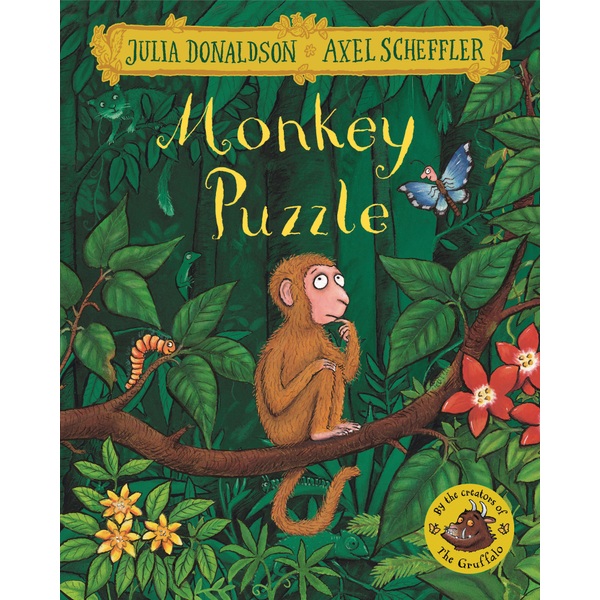


Topic: A butterfly tries to help a little monkey find its mum but they meet many different animals along the way before they find her.

Age: 4 -7 will benefit the most from the lesson plan but younger children would certainly enjoy it because of it's family setting.


Key Vocabulary: The following words are most useful if leading onto a discussion about animal kingdoms and classification: tail, wings, beak, tusks, trunk, claws, feathers, hairy or furry, slimy, a nest of eggs.


Procedure:


  • I would start with something to pique the children's interest and get them guessing what animal the story might be about. It could be as simple as this:

Cardboard Keyhole Cutout 


  • Next explain that today we will be learning about different types of animals and that there are some important words that we need to know in order to understand the story.  Using flashcards drill the pronunciation and come up with some actions together to represent the words. Play some flashcard games until children are comfortable saying and understand most of the words.


Own Made Flashcards


  • Read the story and elicit the words from the flashcards as you go. 
  • Do a table-time extension to consolidate the learning if you have time.
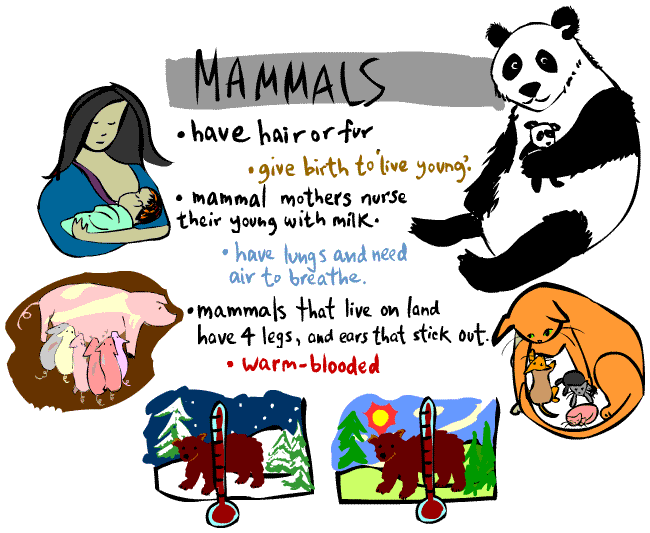
  • Repeat the story on different days, with different extensions to review the vocabulary. You can discuss how you know if each animal is a mammal, reptile, bird, fish etc... if you are tying this story into animal classification.


Extensions: 

If you have an interactive whiteboard or a large computer screen there are some lovely games and resources on Sheppardsoftware.com for teaching animal classification. I have even used these with middle school students but they are suitable for Primary.
Sheppardsoftware.com

A sorting game with animals to cut out and stick into the right columns would be a fantastic way to check students' understanding.

Here


This video does a great job of teaching the difference between fur, hair, feathers, scales and skin.

 This is a fun song asking children to guess whose is the tail and it's suitable for preschoolers too.


A great art activity is to get children to invent their own animals and label or describe them using the correct vocabulary. 

They can also do this collaboratively in threes by secretly drawing the head and neck, folding it back and passing it to a partner who draws the body and the tops of the legs and then folds it back and passes it on to another friend who secretly draws the legs and feet. When they unfold them you generally get a lot of laughs and children enjoy describing and coming up with names for their new animals.
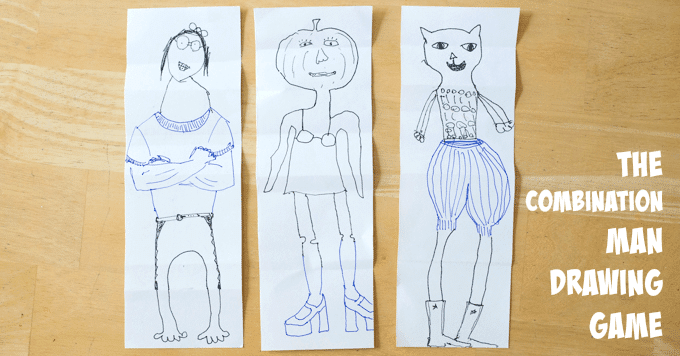
Like THIS but with animals!


Tuesday, 15 January 2019

Charlie Chick

Charlie Chick is a delightful pop up book, good for the end of the year when attentions are getting short as it's short but sweet, with nice large images for using in class. Or you could use it at Easter time as there are plenty of chick themed crafts out there.

Charlie Chick by Nick Denchfield and Ant Parker for Campbell 


Topic: A hungry chick eats lots of corn and gets a great big tummy. Good for using in conjunction when teaching parts of the body or reviewing.

Age: 2-5. I think only your youngest students will fully appreciate the book.

Vocabulary: mum, "Charlie Chick eats lots of barley/corn/wheat", "That's why he's got such... big/fat/strong, tummy, beak, feet"

Procedure:

  • Get your students sitting in their circle time positions and sing your Hello Song. I would sing it with a tiny voice and a great big voice in keeping with the books theme.
  • Gather interest: See how many part of the body the students know in English already/can remember. Drill the main parts of the body like arms, legs, hands, head making sure to include feet and tummy. Then show them the book front cover and teach eyes and beak. Test them by getting them to point to the different parts of their body when you say the word. Alternatively you could ask them to guess which farmyard animal today's story is about.
  • Read the story to the students, (make sure to build some suspense before opening the pop up pages!) and elicit the parts of the body. Repeat once or twice more.
  • Set up your table time extension activity. 
  • Get your students back into circle time and sing Old MacDonald had a farm or Heads, Shoulders, Knees and Toes.
  • You could finish with the video of Old Mac Donald, the following is faithful to the version that most people learnt as a child, or a more calming Animal Sounds Song by Kids TV 123.


Extensions:

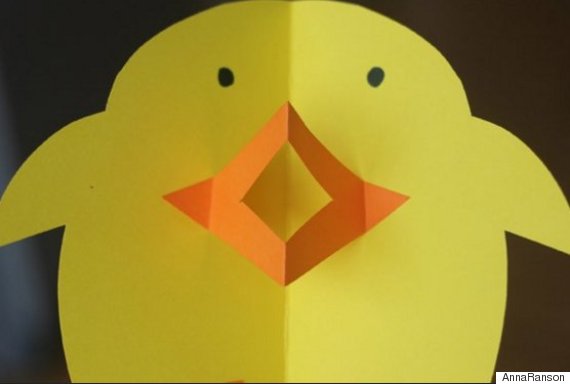
Cute and Easy Pop Up Chic Cards. We do love a simple pop up card and these chicks are just the ticket. They make great 3d Easter Cards, but can also be adapted for Birthdays or even Valentines #popupcards #popup #chick #chicken #spring #cardmaking
Pop up chick card HERE
easter
Another pop up card HERE
If that feels a bit ambitious you could always plump for some colouring. Get your fast finishers to add Charlie chick's mum and a pile of corn! Or you could do a colouring dictation and ask your students to colour the chicks beak, eyes, tummy and feet the colours you say.

Click on THIS LINK to download the free Easter colouring sheets or the following worksheet.

Don't forget to count your chickens after they hatch :)

There are other books in the Charlie Chick series which also look fun for doing with ESL children. A good story to follow with would be Little Red Riding Hood.

Tuesday, 22 May 2018

Dear Zoo

Dear Zoo is a firm family favourite that has recently celebrated 35 years of publishing. Small children love opening the flaps making it ideal for individual or small group lessons. For a bigger class it is a bit more of a challenge as the pages are fairly small, but the illustrations are nice and clear.

See the source image


Topic: The narrator writes to the zoo in order to adopt a pet but the zoo keeps sending unsuitable animals.


Age: 1-5 (Yes, even one year olds will enjoy this book. I'm not sure how much English they will produce though!)

Vocabulary:
Zoo, pet, lion, elephant, giraffe, snake, monkey, frog, camel, puppy. 
Too big, too tall, too fierce (or substitute with dangerous), too grumpy, too scary, too naughty, too jumpy, perfect.
For phrases like "I sent him back" and "I kept him" I would mime the action and chunk it rather than teach the individual words.

Procedure:

  • Get your students into their circle time positions and sing your Hello Song in the style of a snake, roar it like a lion or even in the style of a grumpy camel.
  • Flashcard time: drill the animals in the story, you can choose whether to include puppy or not for the first reading. Sometimes it is nice to maintain an element of surprise. You can find flashcard game ideas HERE. If your students already know these animals then drill the adjectives instead, with flashcards or by miming.
  • Interest gather by asking the students if they have any pets. What would their ideal pet be?
  • Read the story, before opening the flaps elicit what animal is on the inside of the box. Encourage the students to repeat the phrases "He was too ..." and "I sent him back" after you. 
  • Give the instructions for your 'table time' worksheet activity. For example, see if the students know which colours to colour the animals on the worksheet.
You can find the full colouring sheet on the publisher's website HERE.
  • When the children have finished their colouring (fast finishers could draw and colour a few animals of their own on the back) get the children back into circle time and admire any particularly nicely coloured worksheets. 
  • If the students have been good listeners there should be time to reward them with a video. Try this Zoo song by Super Simple Songs.


Extensions:

Test their memory with this worksheet.

HERE

Or this one...

From Sparklebox HERE


How about a, cut out and  order the animals in terms of size worksheet.


See the source image
HERE


Or play Sleeping lions  - every teacher's favourite party game! Students must lie down and pretend to be sleeping lions. The first ones to move are eliminated. Another version of the game sees students lie down and sleep, they are given an animal, when the music plays they must wake up and be that animal, when it stops they must go to sleep again, then they are given a new animal.


Similar: This story could work well in conjunction with the following books: Dinosaur Roar, The Photo, Spot's Birthday Party, and Walking in the Jungle.

Wednesday, 15 April 2015

Spot's Birthday Party

Spot the dog likes to play hide and seek. Together we are going to find all his friends who have hidden themselves around the house.

Spot's Birthday Party by Eric Hill
Topic: Zoo animals, prepositions of place and household furniture.

Age: 3 (maybe even younger if you're group is small enough) - 6. At six this book becomes a hard sell as it has a very simple story.

Vocabulary: Animals (Dog, crocodile, bear, snake, hippo, penguin, lion, monkey, tortoise). Furniture (mat, curtain, cupboard, bath, coat/jacket, table, plant, door, cushion- I will be using the easier second options). Prepositions of place (in, under, behind).

Optional: Count numbers 1-10 as spot prepares to play Hide and Seek and sing Happy Birthday to Spot at the end of the story.

Procedure:

  • Sing your hello song in the style of one of the animals of the story or anyway you like if that is testing your acting and singing skills!
  • For the first lesson it is probably best to start by reviewing or teaching the zoo animals (in my case only tortoise and hippo will be new words). Mime the animals. Elicit the animals and play some flash card games. I would introduce the furniture in the 2nd, 3rd and 4th lessons if the are confident with the animals.
  • Gather interest in L1 by asking who has played/likes playing Hide and Seek. How many far do they count up to?
  • Read the story slowly and give them plenty of time to guess from the clues what type of animal is hidden away before revealing it. Start using gestures as you say the prepositions to help convey meaning and draw their attention to the words. At the end of the story elicit all the animals they can see on the last page and count them and look at the colours if you wish to review other language. You could also sing happy birthday to Spot, asking the children to be the different animals as they sing!
  • Individual activities at the table time: ask them to draw Spot's birthday cake and with all the animals from the party on it.
  • Bring them back to the circle or front of the classroom and chant the prepositions with gestures. Then test them. When they seem more confident reward them with the next step.
  • Video time... Find the animated video of the story on Youtube.


 Extensions:
 
Funwithspot.com  seems like a good place to start. There is a whole section of downloadable party materials. You can print off invitations and get the children to write their names and then hold a 'party.' There are colouring sheets and even a Spot party hat craft (which is the only one I seem to be able to actually access).

Many more Spot colouring pages HERE.


If you are using the book to teach animals then there are many many animal crafts and worksheets  out there!


 Spot Goes To School could also appeal.

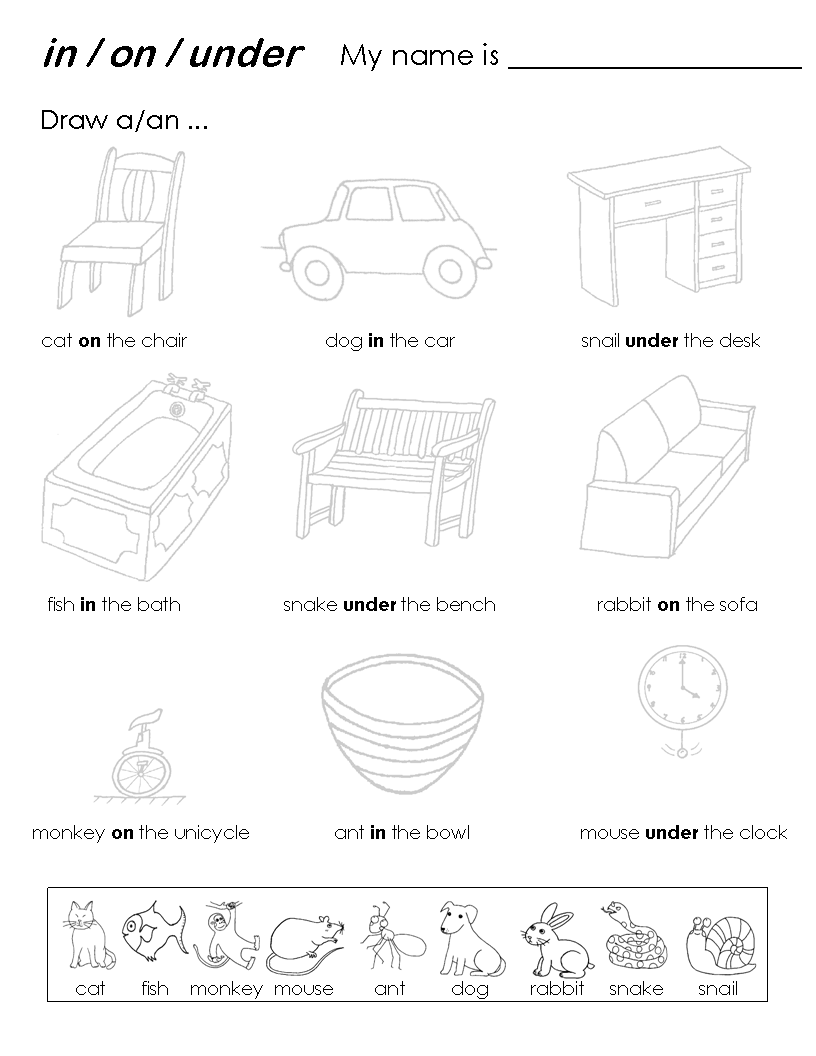
For prepositions...

In On Under song

http://www.eslkidstuff.com/Worksheets/inonunder.gif

Monday, 9 March 2015

Goldilocks and the Three Bears


Topic: a naughty little girl goes for a walk in the woods and enters an empty home... I've chosen the Amanda Askew version of the classic fairytale (curiously not well known in Italy) as it is hardback and has large illustrations.

Amanda Askew version
Age: 3-7

Vocabulary: Goldilocks, bears, mummy, daddy, baby, forest, house, kitchen, bowl of porrige (I'm 'chunking' this one without explanations!), livingroom, chair, bedroom, bed, too hot, too cold, too hard, too soft, too big, just right. 

Procedure:
  • Preteach those adjectives by asking them to sing your hello song softly and 'hard' and then whilst being hot and cold.
  • Flashcard time: drill Goldilocks, bear, and the rooms and furniture. Recycle house and forest and the family if you think it is necessary.
  • Read the story with plenty of actions, especially for the 'too hot.. too cold... just right' parts. Check understanding in L1 if necessary. On follow up readings you will need these actions for eliciting those non pre taught words during the flash card game.
  • Table time! Ask the children to draw a picture that represents the story. It could include, a house, a forest and most importantly a little girl and 3 bears.
  • Call the children back for circle time. You could review the family finger song.
  •  Watch and sing the chorus of the video with actions. I'm a big fan of this series by Debbie and Friends.


Extensions:

This story is begging for a matching activity. Or they could draw the right bear in the right chair...
Found HERE

Found HERE

 Something like a sequencing sheet would be a good second lesson for the older kids to check understanding.
See the source image
From Sparklebox


Tuesday, 10 February 2015

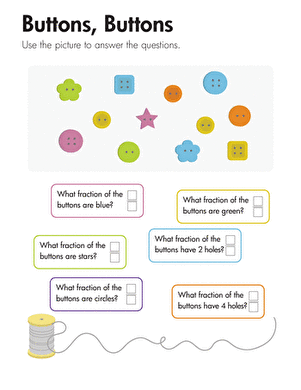
Pete the Cat and his Four Groovy Buttons

Pete the Cat was a huge hit with the kids last time round. The books are fantastic for group reading and involving the kids with their repetitive chants. This one was no different.


Pete loses his buttons but he never loses his cool.

Topic: numbers and colours.

Age: 3- 7 all enjoyed it.

Vocabulary: numbers 4,3,2,1 and 0, I like to do numbers 5-10 as well. Colours yellow, green, red, dark blue and light blue all easy to include too. Also skateboard, icecream, surfing and belly button. Phrases 'My buttons, my buttons, my _ groovy buttons!' and 'goodness no!'

Procedure:

  • sing your hello song. I enjoyed reviewing the emotions for this book. Sad, happy, scared, sleepy.. so we sang it in different ways.
  • Practice counting. I have a points chart so I used that. We counted up and then counted down. Then we counted on our fingers and sang this song: 1 little 2 little 3 little fingers, 4 little 5 little 6 little fingers, 7 little, 8 little 9 little fingers, 10 little fingers on my hands.
  • Now get cracking on the book. Open it up and admire the inside of the front cover. Elict the colours and count the buttons. With the older kids you can even get them to do a little maths 'How many yellow and red buttons are there?'
  • The book is so perfect you don't need me to tell you how to tell it. It is instinctive. THIS VIDEO will help you too. I get the students to clap along with the rap to get them involved. I also like to stop the rap abruptly in a different place each time by saying POP! OH NO! and slapping my forehead. They love that.
  • Table time now: elicit the colours that Pete was wearing and ask them to colour him from memory.
    Here
    • Now bring them back to the circle. Pratice counting again. Hop 3 times. Spin 2...
    • Watch the SCOPE video linked previously and get them to join in, or watch this video with Pete the Cat where he does the wheels on the bus (a song I already did with my students).


    Extensions:

    Any kind of counting video.


    We love Super Simple Songs.

     The kids all want to know if this is my boyfriend. SIGH.
    Colour by numbers HERE
     Plus you can make many button maths worksheets like these.

    See the source image
    HERE

Thursday, 4 December 2014

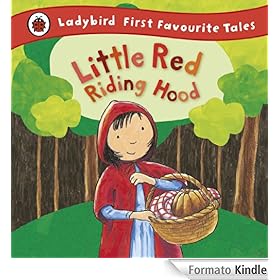
Little Red Riding Hood

An absolute classic of a fariytale. It's got more than one version but it's likely your children will know it already. I'm using the ladybird book. The pages are small, but the pictures are nice and clear.

Topic: Little Red Riding hood goes to granny's house via the forest, but stops to talk to a big bad wolf.

Age: I've been doing it with 3-7 without too much trouble (although the smaller ones couldn't quite get their tongues around Little Red Riding Hood).

Vocabulary: mummy, daddy - I swapped the hunter for daddy - granny, little red riding hood, forest, bed, cake, house, flowers, the big bad wolf. Also 'What big eyes you have' 'What big ears you have' and 'What big teeth you have' along with  'All the better to see/hear/eat you with!

Procedure:

  • Sing your hello song like a little girl and a big bad wolf!
  • Drill the character flashcards. In subsequent lessons you can drill the other important words). I like to accompany the characters with their own action so I can use it to elicit them while I tell the story. Little Red Riding Hood takes a lot of drilling so try drilling it backwards. (Hood. Riding Hood. Red Riding Hood. Little Red Riding Hood). The littlest students are probably not going to manage the whole phrase.
  • Now start telling the story, pointing to the pictures and miming all mimable words. I changed the words to make it simpler, you can find them below... 
  • "Once upon a time, there was a small girl and her name was Little Red Riding Hood. She lived in a house next to a big forest. On the other side of the forest in a small house lived Granny. But in the big big forest lived a big bad wolf. One day Mummy says 'Little Red Riding Hood will you take some cake to granny?' 'OK' says Little Red Riding Hood. 'But remember' says mummy, PLEASE don't stop in the forest and PLEASE don't talk to the Big Bad Wolf (BBW).' 'Ok says Little Red Riding Hood (LRRH)."
  • "LRRH is walking in the forest when she meets the BBW. (deep voice) Hello LRRH! (high voice) Hello! How are you? - (deep) I'm fine thank you. Where are you going LRRH? -(high) I'm going to granny's house.
  • The wolf has an idea. "Why don't you pick some flowers for granny?" "That's a good idea," says LRRH, so she stops and picks a big bunch of flowers, and the wolf runs really fast to granny's house.
  • deep voice - "Knock knock knock. Hello!" "LRRH?" Thinks granny. "No! It's the BBW!" And granny hides under the bed. 
  • The wolf comes in. 'Hello? Hello? There's nobody here! He has a plan. He puts on granny's hat. He puts on granny's coat and he gets into granny's bed and waits for LRRH. 
  • "Knock knock knock! Hello Hello!" - "Come in!" - "Oh Granny! What big eyes you have!" - "All the better to see you with my dear" - "Oh granny, what big ears you have!" - "All the better to hear you with my dear" - "Oh granny! What big teeth you have!" - "All the better to EAT you with my dear!" And the wolf jumps up but the hat falls down over his eyes (I can't see any thing!) and granny says 'Quick! LRRH come under the bed!"
  • Here comes daddy! He runs into the house. He sees the BBW and.... SWISH! He kills the wolf. But where's LRRH and where's granny? Here they are! Under the bed! They say 'Thank you daddy!'. And they eat the cake. Daddy says, "LRRH remember! PLEASE don't stop in the forest and PLEASE don't talk a BBW!"
  • Now you've told the story you can do an activity... like colouring the characters the right colours.
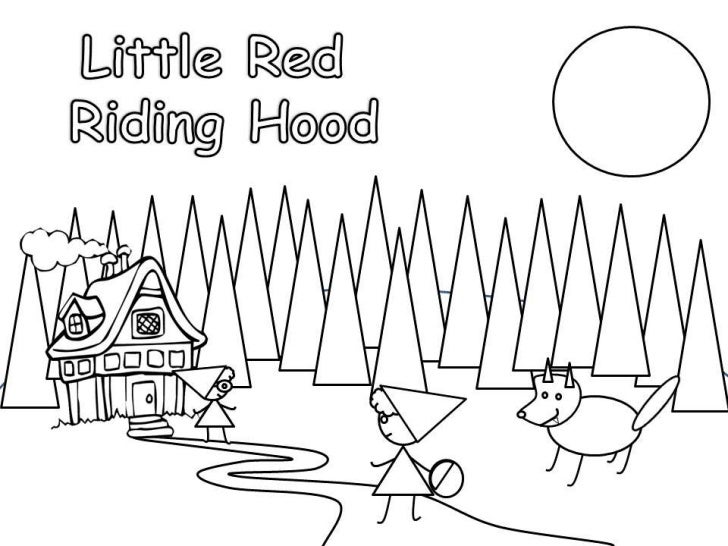
This one is good as it has the letters to colour as well.
  •  Then it's back to circle time for a last flashcard game like Say Yes!! when you see....and the video.
This is an absolute treasure of a video and the tune has stayed in my head for weeks. I like to sing just the chorus and encourage the kids to do the actions with me.


Extensions:

Heads Shoulders Knees and Toes is a good song for teaching parts of the face. You can sing it getting faster and faster, or you can sing it and clap in the place of a new word each time. I changed mouth for teeth, just to help with the story's vocabulary.

Word tracing here
And something like this (I made my own) for teaching the face.


Finger Puppet crafts for those of you with time and resources!


Thursday, 6 November 2014

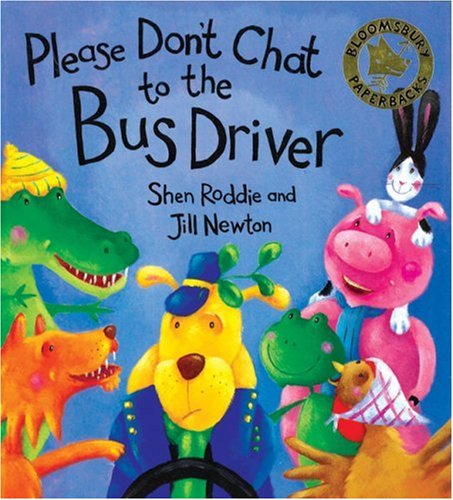
Please Don't Chat to the Bus Driver!

I was looking for a book to accompany the classic song The Wheels on the Bus and this is what I found...


Please Don't Talk to the Bus Driver!
Topic: The bus and animals.

Age: 4-7 (I did it with younger children but I'm not sure they understood it much!)

Vocabulary: Bus, bus driver, Animals: (crocodile, frog, fox, chicken, pig, rabbit) Phrases adapted from the book's original choice of words: "please don't talk to the bus driver!" "missed a stop", "crashed into a tree," "late" "loud" "spinning" "lost" "everybody out!".

Procedure
  • Start with your hello song. I like to sing it loudly and quietly as this fits with the language of the story.
  • Flashcard time: drill those animals.
  • Story time: Start with a bit of interest building. Ask for a show of hands who has been on a bus. See if they can name all the animals on the front cover and translate the title of the story into L1. Show them the route of the bus and explain why it's yellow (it's an American bus!).
  • As you tell the story elicit the animals as they enter the bus and make sure every animal has their own voice. I don't know why but my fox is posh and my rabbit is squeaky. The kids LOVE a chicken voice.
  • Each misadventure needs an action. I like to clap for "crashed into a tree," tap my watch for "late", put my fingers in my ears for "loud", search for "lost" and spin my finger round and round for "spinning." Since 'lost a wheel' is quite complicated I tend to skip that page with the younger children. "Please don't talk to the bus driver" is very repetitive, so just do it in your best teacher voice and wag your finger along with the rythm!
  • Finish by asking them in L1 why we mustn't talk to the bus driver and if they think the animals will do it again.
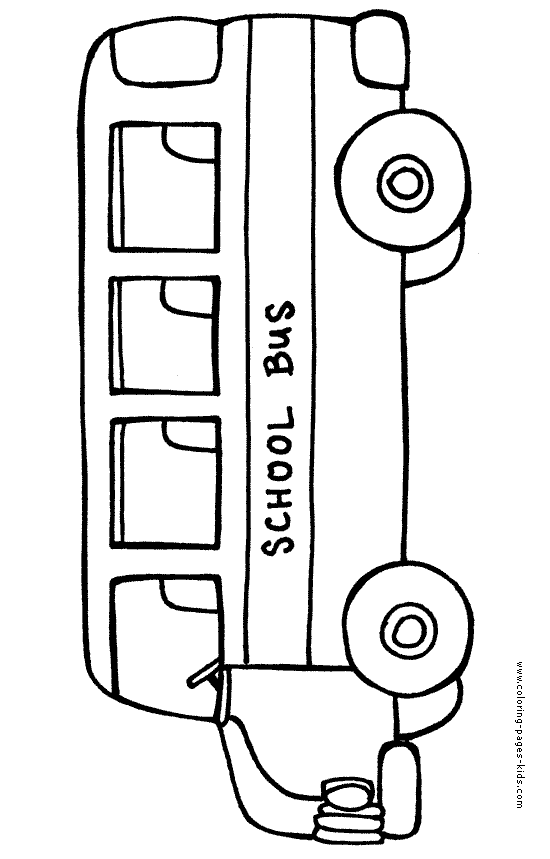
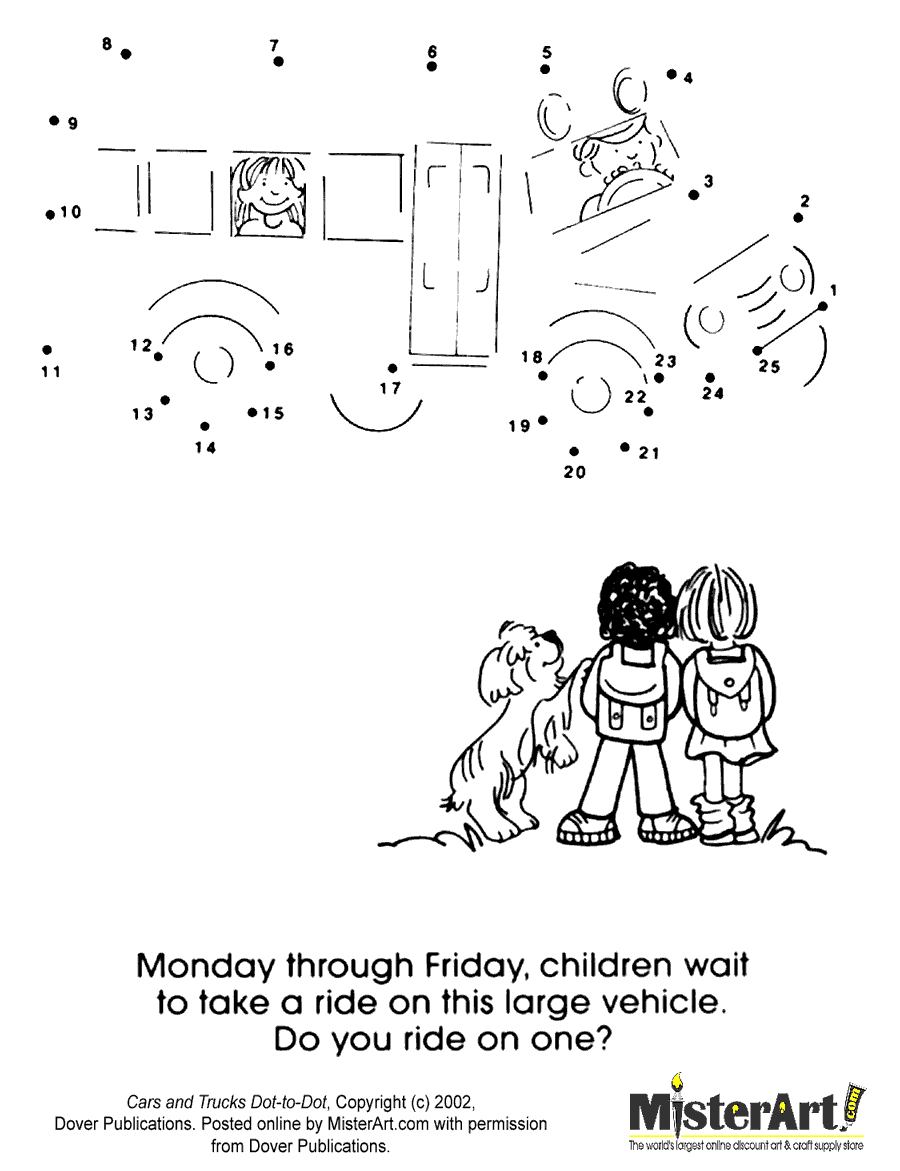
  • Now it's worksheet time. My first lesson required the children to draw the animals in the windows of the bus.
School Bus color page transportation coloring pages, color plate, coloring sheet,printable coloring picture
  •  Back in circle time. Practice your motions for the Wheels on the Bus. I love the Super Simple Songs version as it has all the most teachable verses: round and round, up and down, open and shut, swish swish swish, waa waa waa, and shh shh shh!
  • Watch the video, sing and dance.


Extensions:
Here
  • Trace the road with the animals page and get them to colour it the right colours.

Here

 Or if you're feeling adventurous... bus driver hats are pretty simple in terms of materials. You need

1 strip of card.
Staples
Square of crepe paper
Semi circle (with tabs) of card for peak
1 bus badge
Glue
Bus Driver Hats Craft

Thursday, 25 September 2014

Walking in the Jungle

So this story book is rather babyish. So babyish in fact that it features a big baby as it's main protagonist. However I've got some students in my class who aren't yet 3... so I think it's pretty much spot on for my target audience.


The pages are a little small in my copy but very clear illustrations

Topic: Jungle animals.

Age: 3-6 (I say six, but there's a reason I'm using this at the beginning of the academic year).

Vocabulary: Jungle animals (snake, elephant, lion, crocodile, monkey) action verbs (walking, running, climbing, stamping, jumping - the book uses slightly different ones, but no 3 year old can read) phrases "Walking through the jungle, what can you see? Can you hear a noise? What could it be?"


Procedure:

  • Sing your hello song. I'm doing mine happily and sadly as these flashcards are crucial to my classroom management routine.
  • The simplified version of If you're happy and you know it (If you're happy happy happy) is a good way to add some of these verbs pre lesson and get them moving.
  • Drill the flashcards with the animal actions.
  • Tell the story encouraging them to say it with you for the older ones and do the actions for the little ones (for jumping/stamping etc make jumping motion with your hands only - it's best if they stay sitting down at first). I like to say the part for 'running through the jungle very quickly' and 'stamp through the jungle in a giant's voice.
  • At the end of the story ask if the baby is happy or sad. Elicit 'nos' and explain he is 'afraid' (- not 'scared' because the video at the end uses afraid.)
  • Your worksheet of choice. The first lesson I asked them to simply draw the animals they could remember from the story.. I got some hippos, but never mind...
  • Then call them back to the circle for video time. It's a beauty.

For older children you can pre teach the animals toucan, tiger and frog.

Extensions:

Snake or animal colouring sheets.


A counting song with a monkey...


A game of FREEZE
The children pretend to be the animal you say and when you say FREEZE they must freeze. If they move they are eliminated if over the age of 5!


And if I had the time/resources...


No idea where the original page is... sorry creator!


Tuesday, 20 May 2014

Dinosaur Roar

So unlike most of the books and stories we've been doing this year, today's post is actually about a poem. The children were disappointed that there wasn't going to be a plot, but then they got very hyper... because.... well, roaring dinosaurs everywhere!


Topic: All types of dinosaurs!

Age: 4-7

Vocabulary: Adjectives mainly (fierce, meek, fast slow, slimey, clean, tiny, fat, weak, strong, short, long, sweet, grumpy, spikey, lumpy) and some misc (roar, squeek, above, below) Plus the phrase "gobble, gobble, nibble, nibble, munch, munch, scrunch".

Procedure:

  • Sing your hello song, fiercely, meekly, then roar and squeek it!
  • Pre teach the words of the poem, through TPR. I suggest no more than six per lesson.
  • Before you start warn the students that it isn't a story, but a poem.
  • Open the book. I like to start by counting the dinosaurs on the inside of the cover. We count different colours each time, 'How many blue dinosaurs are there?'. I tell the poem and we count the tiny dinos on each double page spread. If you have pre-taught some of the adjectives then make sure you elicit them with the action as you go. I like to check they have understood any not yet pre-taught words, by looking at the pictures and asking them what they think it means in L1.
  • Worksheet time! Try this lovely colouring page from the Dinosaur Roar website: http://www.dinosaurroar.com/downloads/DinosaurRoar-Printable-001.pdf 
  • Before you watch the video I would suggest an 'interest-gatherer'. Recite the chorus and do the actions and check the meaning. It goes like this: Oh the dinosaurs, big as trees, the dinosaurs, brains like peas, jaws and claws and teeth and bones, they used to growl and groan and moan.


I like to pause the video, when it shows the lava and the dinosaur turning into a fossil to see if anyone can explain the video in L1. The kids are generally dying to show off their dinosaur knowledge.

Extensions:

http://www.dinosaurroar.com/downloads/DinosaurRoar-Printable-008.pdf - matching pairs

Drawing dinosaurs competition

Pattern completion worksheet can be easily made by drawing big and small, long and short and fast and slow dinosaurs like those in the book.

Then here are some other dino videos for your dinosaur fans.

A simple rhyme.

 This could be good for a game of musical statues, (now everbody, run fast/slowly/fiercely!)

Stegosaurus tells us a bit about himself - for the older children.

What's your favourite dinosaur?

Monday, 7 April 2014

Meg's Eggs

So here's a little Easter themed lesson. I haven't got the book, so I have made my own flashcards with Meg, Mog and Owl and then three big easter eggs. The easter eggs are cut in half and have hinges so that I can open them up to show the dinosaurs inside.


Topic: Easter! Meg, Mog and Owl, who my kids will remember from their Halloween lesson, are hungry, but Meg's spell to rustle up some eggs goes a little wrong...

Age: 4-9 years

Vocabulary: Meg, Mog, Owl. Egg(s) dinosaur(s) Stegosaurus, Tyrannosaurus Rex, Diplodocus. "I'm hungry!" "Who are you?" "It's too big!" "I'm going to eat you! (optional)"

Procedure:


  • Sing your hello song and say Happy Easter!
  • Talk about the significance of eggs at Easter (new life) and the Easter Bunny. You will need to use some L1 here, but I think it's totally worth it, since the Easter Bunny and Easter egg hunts don't exist in Italy.
  • Review or pre-teach the three main characters with flashcards. It's a good idea to associate an action with each name (meg's point hat, owl can fly, mog's a cat), so that you can elicit the names as you tell the story.
  • Tell the students the story of Meg's eggs, with the book or with props (as in my case). See if you can elicit the types of dinosaurs when they emerge from their eggs (there is a dinosaur expert in every class no matter the age!) When Meg says the spell, I like to make up my own simple ones that the students can join in with.
Abracadabra three eggs please!
Spiders, frogs' legs 1,2,3!
Abracadabra!

Abracadabra make my dinosaurs small!
Their big and hungry and very tall!
Abracadabra!
  • Top Tip - if you haven't got a book it's hard to get the visual laugh at the end. I ask the kids what they think Meg's second spell has done and then tell them to wait and see if they are right when we watch the video.
  • Worksheet time! There are quite a few possibilities here. I've opted for an easter egg hunt worksheet.
For the Primary school students
For the nursery school students
  • Finally finish the lesson with the video. You could pause and elicit some of the vocabulary if you so wished.

Extensions:

I haven't got much this week, I'm afraid as it's a one off lesson. There is an absolute multitude of Easter egg colouring worksheets and Easter cards to make online.

This and more HERE
And then there's this adorable nusery rhyme that the nursery school kids will love since it goes well with actions. I think it's the having to be still before hopping around like mad that floats their boat! Plus you will never get it out of your head again. Sorry about that.

Monday, 31 March 2014

We're Going on a Bear Hunt

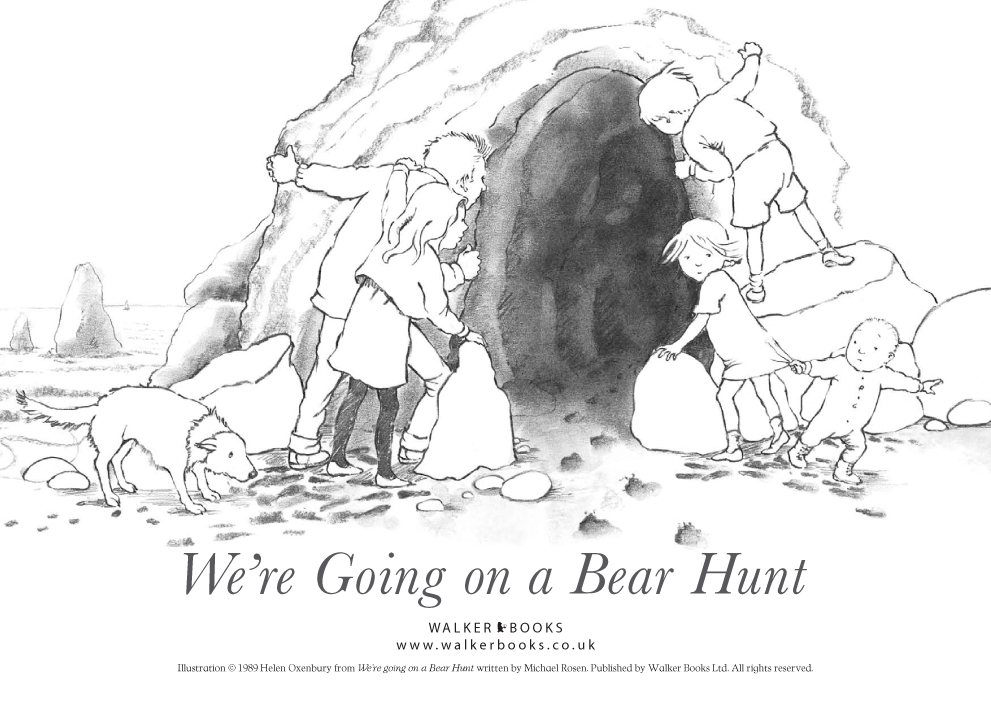
We're Going on a Bear Hunt by Micheal Rosen was published in 1989 and is real classic. It's rhythmic, repetitive, chantable and full of fun noises. Some report being very scared by the book when they were very small, so maybe don't go over the top with the terror! If this story had a moral it would probably be 'Leave the bears alone!'
Just don't buy the tiny board book like I did!

Age: 3-9

Topic: A family go for a walk to look for a bear. They traverse different terrains only to discover they're actually scared of bears.

Vocabulary: forest, river, mud, grass, snowstorm, cave, bear. (The adjectives are optional) A good teaching moment for mummy, daddy, baby, brother and sister too. Repeated phrases: We're going on a bear hunt, we're going to catch a big one, what a beautiful day, we're not scared, oh no! and We can't go over it, we can't go under it, we're going to have to go through it!

Procedure:


  • Sing your hello song whilst being scared and very much not scared!
  • Preteach the landscape vocabulary with flashcards. Play some flashcard games. For the first lesson 'say yes when you see the...' is excellent.
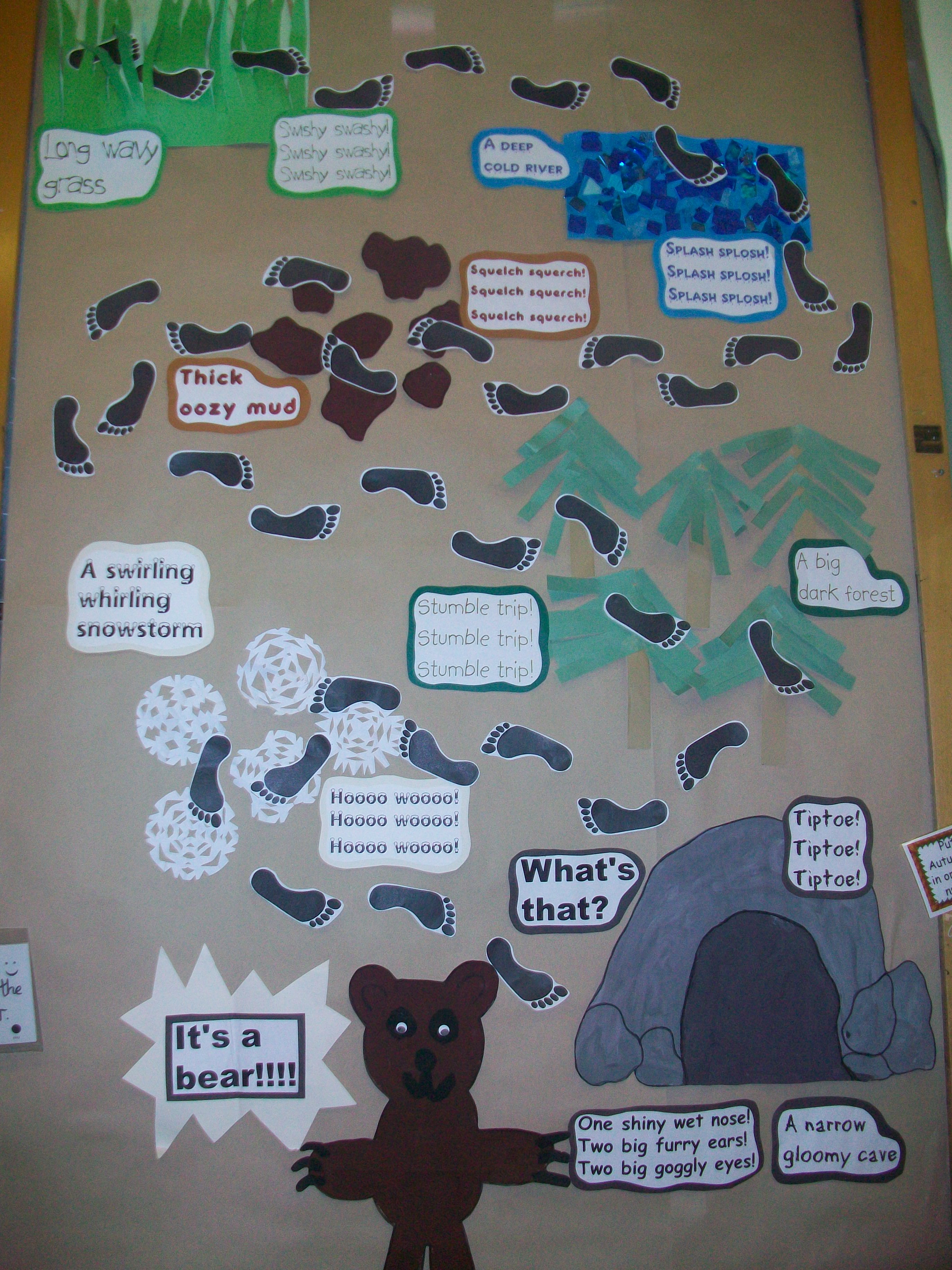
  • Tell the story with the book. Omit the adjectives at your discretion. I think 'thick oozy mud' is quasi onomatopoeic but teaching it actively would be too much for my students.  Watch the master at work here. You cannot get better story telling instructions than this:
                               
  • Worksheet time: I drew a cave, with a forest, river, grass, mud  and a snowstorm for mine, and asked the children to draw the bear in the right place.  Or you could use this:

Printable HERE
  • Finish with the animated pictures from the book video.


Extensions:
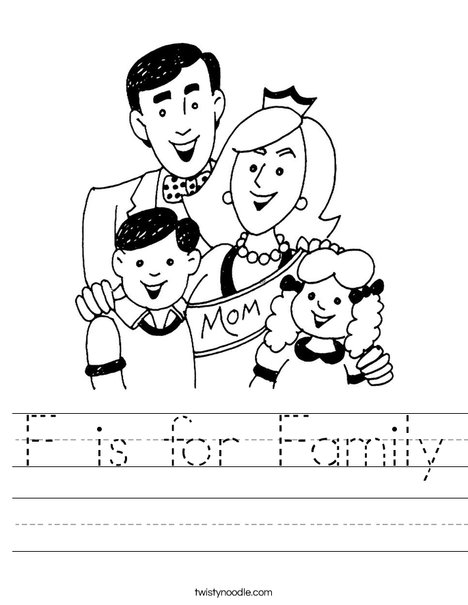
Teach the family vocabulary with this song:


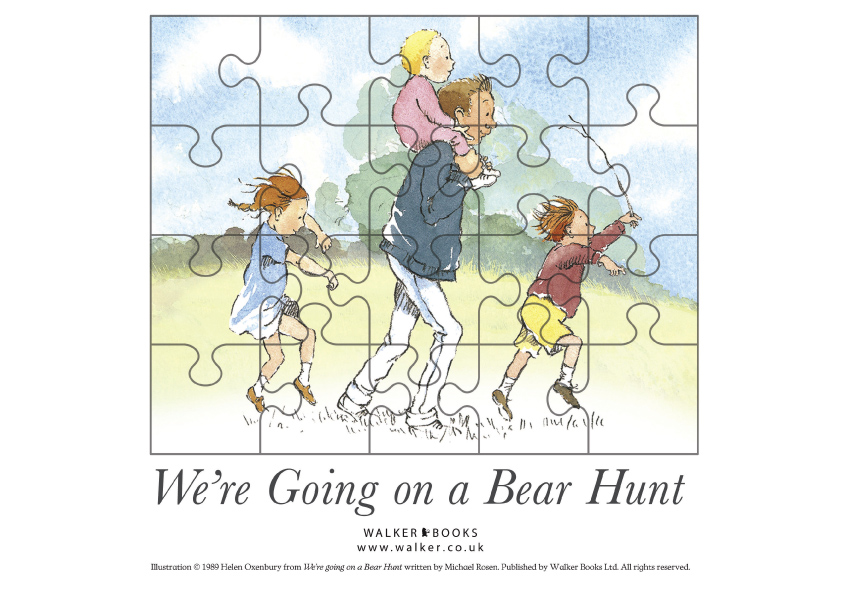
One printable jigsaw HERE
Printable worksheet HERE


Teach some prepositions of place by making a simple over/under worksheet.

Like this one, but bigger, and printable...

One of my favourite worksheets ever but most definitely for students who can read. Printable HERE

This story is just asking for a board game craft.

Or collage!

HERE